How Often Should You Really Get a Car Service? Mechanic-Backed Guide
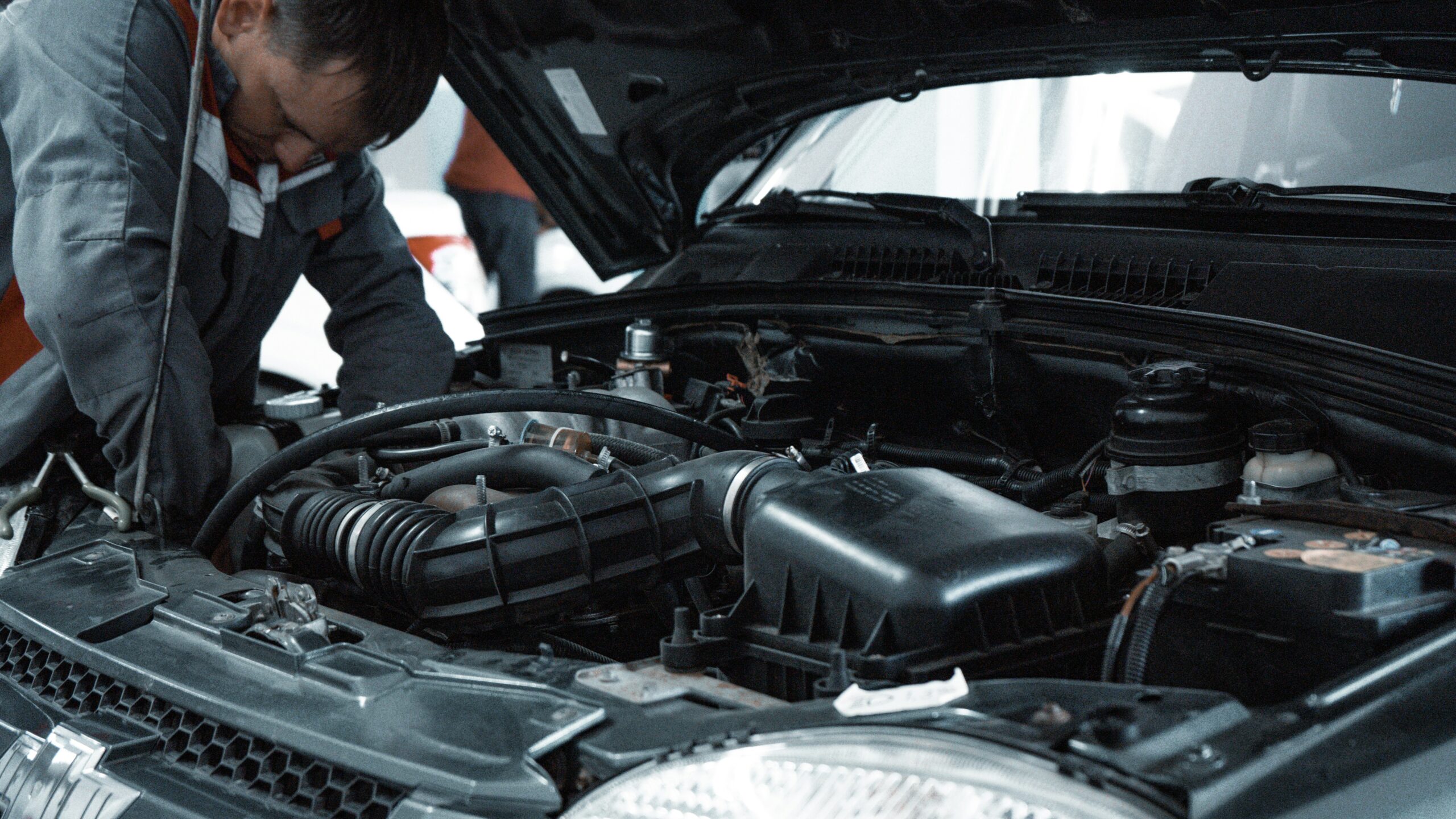
When it comes to car service, one of the most common questions drivers ask is: “How often should I actually service my car?” While most people know they need regular servicing, the exact timing can be confusing, especially with different manufacturers offering different recommendations, modern cars lasting longer between services, and conflicting advice online.
As experienced mechanics on the Gold Coast, we see firsthand what happens when cars are serviced on time, and what happens when servicing is delayed. This guide breaks down the real-world servicing schedule most cars should follow, the signs you shouldn’t ignore, and why sticking to a routine saves you money in the long run.
The General Rule for a Car Service: Every 10,000km or 6 Months
For most vehicles in Australia, a good benchmark is to service your car every 10,000km or every 6 months, whichever comes first. This is the standard used by many manufacturers and aligns with real-world driving conditions.
Even if your car seems fine, a professional inspection every 6 months helps catch issues early. Oil degrades over time, filters get dirty, belts wear, and safety components need regular checks. Leaving these unattended can lead to bigger, more expensive repairs.
Manufacturer Logbook Service Intervals
Your vehicle’s logbook contains specific servicing intervals set by the manufacturer. These typically range between:
- 10,000km–15,000km,
- or 12 months,
- depending on the brand and model.
Luxury European vehicles sometimes follow extended intervals, but this often assumes perfect driving conditions, which most customers don’t experience. Sand, humidity, traffic, stop-start driving, and short trips all accelerate wear and tear.
At Bentley Auto Repairs, we follow your manufacturer’s guidelines so your warranty stays protected, and we tailor our recommendations to your actual driving habits.
Why Your Driving Habits Matter More Than the Logbook
Two people can own the exact same car, yet one may need car servicing more often than the other. Your driving habits have a major impact on how quickly components wear out.
You may need more frequent servicing if you:
- Drive short trips under 10 minutes
- Sit in heavy, stop-start traffic
- Tow trailers or caravans
- Frequently drive in hot or humid weather
- Use your vehicle for 4WD or off-road driving
- Drive on sandy, dusty, or coastal roads
These conditions put extra strain on your engine, coolant system, brakes, and drivetrain, often requiring earlier servicing.
What Happens If You Wait Too Long Between Services
Delaying your service schedule may save money today, but it almost always costs more later. Common problems we see include:
1. Engine Damage
Old or low-quality oil breaks down, causing friction and overheating. This can lead to blowing head gaskets, worn piston rings, or even complete engine failure.
2. Cooling System Failures
Coolant degrades and becomes acidic over time, damaging hoses, radiators, thermostats, and water pumps.
3. Premature Brake Wear
Skipping inspections means worn pads or rotors aren’t caught early, often resulting in more expensive repairs.
4. Transmission Issues
Transmission fluid breaks down, leading to gear slipping, harsh shifting, or costly gearbox repairs.
5. Reduced Fuel Efficiency
Dirty filters, old spark plugs, and worn components make the engine work harder, costing you more in fuel.
Sticking to consistent servicing prevents these problems and keeps repair costs predictable and manageable.
Key Signs Your Car Needs a Service Sooner
Sometimes waiting until your next scheduled service is too risky. Book a service immediately if you notice:
- Unusual noises (ticking, grinding, clunking)
- Warning lights on the dashboard
- A burning smell
- Difficulty starting the car
- Reduced braking performance
- Shaking or vibration while driving
- Increased fuel consumption
- Car pulling to one side
If something feels different about your vehicle, it’s safer (and cheaper) to get it checked right away.
What’s Included in a Standard Car Service?
A typical service includes:
- Engine oil and filter change
- Inspection of brakes, steering, and suspension
- Coolant, transmission, and brake fluid checks
- Tyre pressure and condition check
- Battery testing
- Inspection for leaks
- Safety checks on belts, hoses, and lights
At Bentley Auto Repairs, every service also includes personalised recommendations based on your car’s condition — not unnecessary upsells.
The Bottom Line: Regular Servicing Saves You Money
Routine servicing helps your car last longer, reduces breakdowns, maintains fuel efficiency, and protects your safety. Whether you’re driving a brand-new vehicle or an older family car, following a consistent servicing schedule is the simplest and most cost-effective way to avoid major repairs.
If you’re unsure when your next service is due, our team can check your logbook, assess your driving habits, and recommend a schedule that keeps your car running smoothly.
Book your next car service at Bentley Auto Repairs today and keep your vehicle safe, reliable, and road ready.



