Is Your Car Overheating? Here’s What to Do (And What Not to Do)
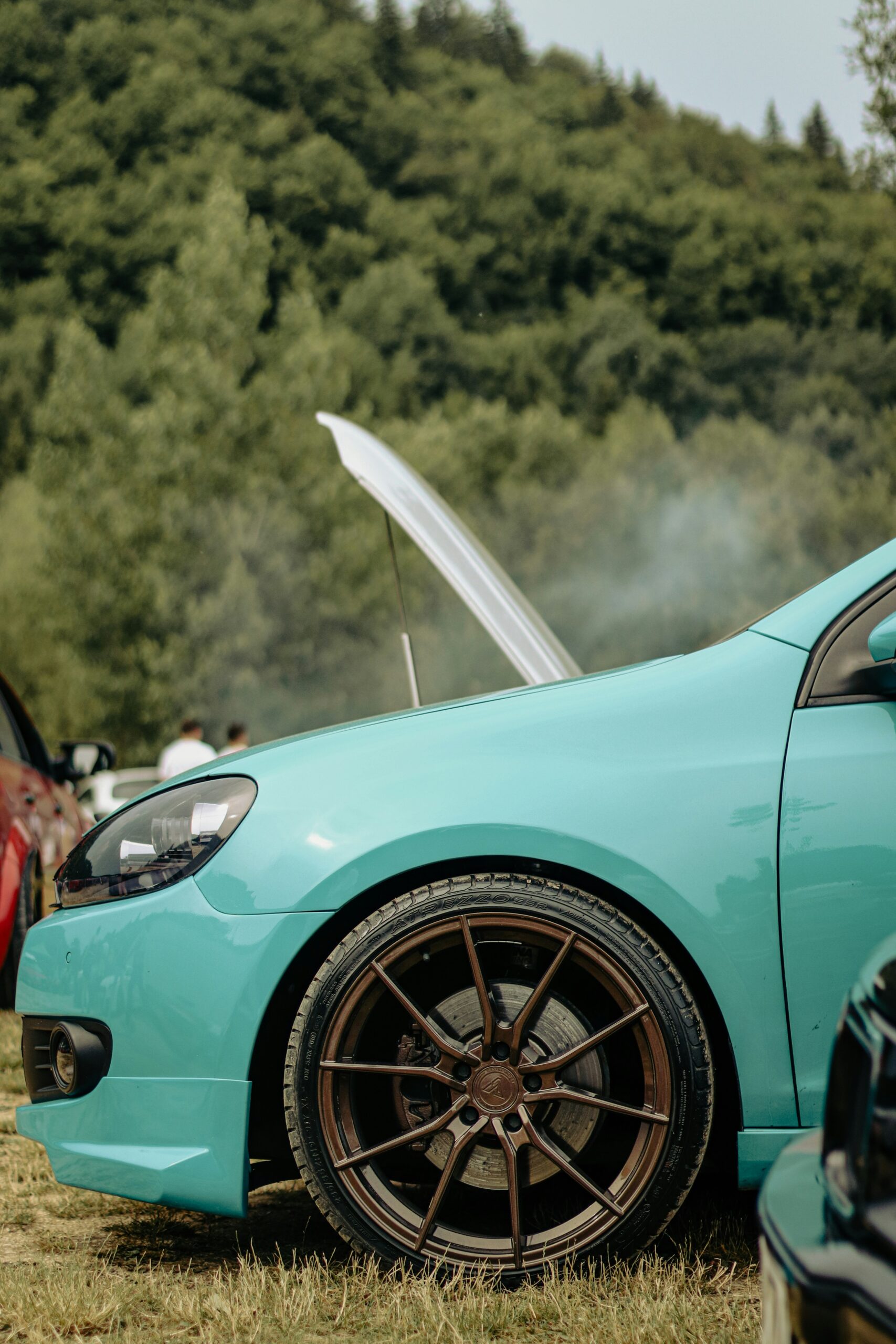
If your temperature gauge starts climbing or you notice steam coming from under the bonnet, it’s not something to ignore. An overheating engine is one of the most serious warning signs your car can give—and acting quickly can be the difference between a minor repair and major engine damage.
A lot of drivers try to “push through” and make it home or to work. Unfortunately, that’s where things usually get worse.
What to Do if Your Car is Overheating
Don’t Keep Driving
The moment your car starts overheating, the safest move is to pull over as soon as possible and turn the engine off. Even a few extra minutes of driving can put extreme stress on the engine and lead to costly damage.
It might feel inconvenient at the time, but stopping early can save you thousands in repairs.
Give It Time to Cool Down
Once you’ve stopped, don’t rush to open the bonnet straight away. The engine will be extremely hot, and opening it too soon can expose you to steam or boiling coolant.
Give it at least 15–30 minutes to cool down properly before checking anything. This step is simple, but it’s where a lot of people make mistakes.
Check the Coolant (Carefully)
After the engine has cooled, you can take a look at the coolant reservoir. In many cases, overheating is caused by low coolant levels or a leak somewhere in the system.
Be cautious here:
- Never open the radiator cap while the engine is still hot
- Look for obvious signs like an empty reservoir or fluid around the engine bay
If the coolant is low, it’s a sign there’s an underlying issue that needs attention—not just a one-off top-up.
Why Cars Overheat in the First Place
Overheating doesn’t just happen randomly. There’s always a root cause, and it’s usually something within the cooling system.
Common causes include:
- Coolant leaks
- Faulty radiator
- Stuck thermostat
- Failing water pump
These issues won’t fix themselves, and ignoring them usually leads to repeat overheating—or worse.
When You Shouldn’t Drive the Car
In some cases, it’s safer not to drive the car at all after it overheats. If the temperature spiked heavily, or the coolant is completely gone, continuing to drive can cause serious internal damage.
Watch for warning signs like:
- Coolant leaking under the car
- The issue happening more than once
- Any loss of power or unusual engine noise
If you’re unsure, it’s always better to play it safe and have it checked.
Acting Early Makes All the Difference
An overheating issue caught early might be something simple. Left too long, it can turn into major problems like a blown head gasket or warped engine components.
That’s where repair costs escalate quickly.
Need a Mechanic?
If your car has overheated—even just once—it’s worth getting it inspected before it turns into something bigger.
At Bentley Auto Repairs, we diagnose cooling system issues quickly and fix them properly, so you’re not dealing with the same problem again.
Call now or book today for fast, reliable repairs at our Miami workshop



