Why You Should Never Ignore a Warning Light in Your Car
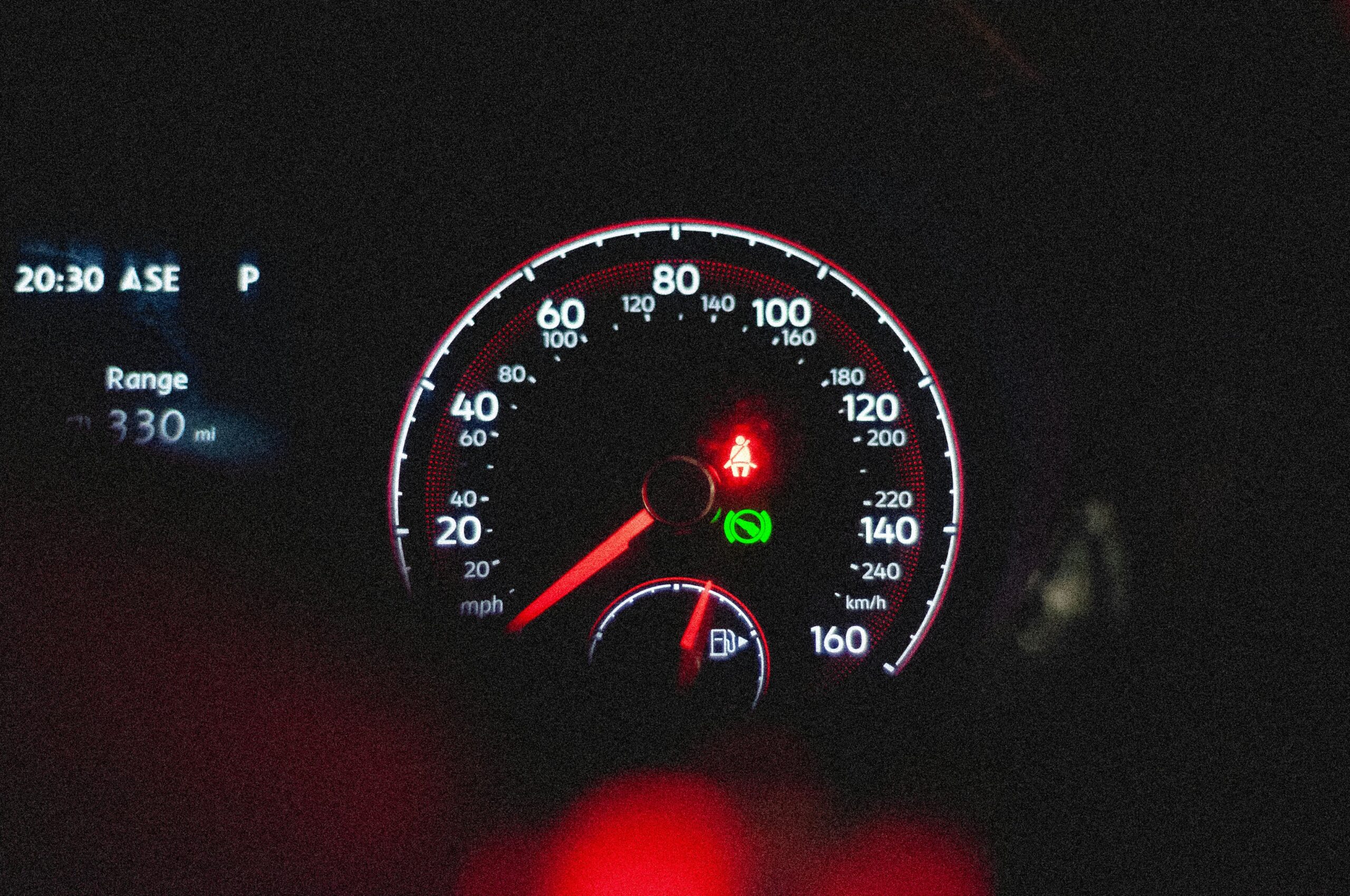
It’s easy to ignore a warning light, especially if the car still feels like it’s driving normally.
We see it all the time at Bentley Auto Repairs. A small light appears on the dash, the vehicle seems fine, and life gets busy. Weeks (or months) later, what started as a minor issue turns into a larger repair.
Modern vehicles are packed with sensors designed to detect problems early. That little light on the dashboard isn’t random, it’s your car telling you something needs attention.
Here’s why acting early almost always saves money.
What a Warning Light Actually Means
When a warning light comes on, your vehicle’s computer has detected something operating outside normal parameters.
It doesn’t always mean a major fault. Sometimes it’s something minor like:
- A loose fuel cap
- A sensor starting to fail
- A small air or fuel imbalance
- A battery voltage issue
But the only way to know for sure is with proper diagnostics.
Guessing, or hoping it goes away, usually doesn’t work long term.
The “Check Engine” Light Isn’t Just One Problem
The check engine light is one of the most misunderstood signals on a dashboard. It can be triggered by dozens of different causes, ranging from minor to serious.
For example:
- An oxygen sensor fault may slightly increase fuel consumption.
- A misfire could damage the catalytic converter if left unresolved.
- An airflow issue might reduce performance and economy.
The vehicle may still drive “normally” for a while, but underlying damage can continue in the background.
A simple diagnostic scan identifies the stored fault codes and points us in the right direction immediately. No guesswork.
Small Electrical Issues Can Escalate
Modern cars rely heavily on electrical systems. A weak battery, failing alternator, or voltage irregularity can trigger multiple warning lights at once.
We often see vehicles where:
- ABS lights
- Traction control lights
- Stability control warnings
all appear together, and the root cause is simply a weak battery.
Catching that early is far cheaper than replacing multiple components unnecessarily.
Early Diagnostics = Lower Repair Costs
One of the biggest advantages of modern vehicles is early fault detection.
If you bring a car in shortly after a warning light appears, we can:
- Scan the system
- Identify the exact fault
- Confirm whether it’s urgent or safe to monitor
- Prevent secondary damage
When warning lights are ignored for long periods, secondary components can be affected, and that’s when repair costs climb.
When You Should Act Immediately
Some lights should never be delayed, including:
- Overheating warnings
- Oil pressure lights
- Brake system warnings
- Battery/charging system alerts
If any of these appear, it’s best to stop driving and have the vehicle checked as soon as possible.
Don’t Guess. Get It Checked
If a warning light has come on and you’re unsure what it means, the safest approach is a quick diagnostic check. It takes far less time and money to investigate early than to repair damage later.
At Bentley Auto Repairs, we don’t jump straight to worst-case scenarios. We diagnose properly, explain the issue in plain English, and recommend only what genuinely needs attention.
If something has lit up on your dash recently, now’s a good time to get clarity before it turns into something bigger. Call us today to schedule an appointment.



